**********therapy@gmail.com
Phone : +91********57
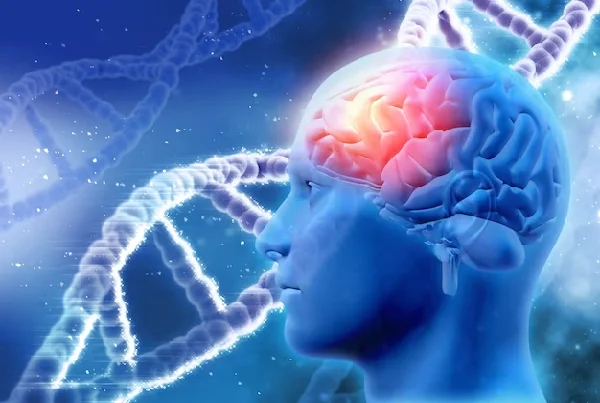
Neurological symptoms refer to a wide range of signs and sensations that result from disorders affecting the brain, spinal cord, or peripheral nerves. These symptoms can vary greatly in presentation and severity, depending on the underlying cause and the part of the nervous system involved. Common neurological symptoms include headaches, dizziness, numbness, tingling, muscle weakness, balance problems, blurred vision, seizures, memory loss, and difficulties with speech or coordination. In some cases, symptoms may develop suddenly, as seen in conditions like stroke, while others may progress gradually, as in degenerative diseases like Parkinson’s disease or multiple sclerosis.
Dr. Meenu, an experienced orthopedic and neurological rehabilitation specialist, explains that neurological symptoms should never be ignored, especially if they are sudden, persistent, or worsening over time. She emphasizes that early recognition and timely medical evaluation are crucial in identifying serious conditions such as brain tumors, spinal cord compression, nerve injuries, or infections like meningitis. According to Dr. Meenu, diagnosing neurological symptoms involves a careful clinical assessment, detailed patient history, and appropriate investigations such as blood tests, MRI, CT scans, and nerve conduction studies to determine the cause and extent of nerve involvement.
Treatment for neurological symptoms depends entirely on the underlying condition. Dr. Meenu highlights that some symptoms may be reversible with medications, physiotherapy, and rehabilitation, while others may require surgical intervention or long-term management strategies. For example, nerve compression due to a herniated disc might be relieved through minimally invasive spine procedures, whereas neurological weakness following a stroke would benefit from structured physiotherapy and occupational therapy programs. Dr. Meenu also stresses the importance of patient education, lifestyle modifications, and emotional support in managing chronic neurological disorders, helping patients regain confidence, improve daily function, and enhance their overall quality of life.

Aera Physiotherapy & Rehabilitation Centre.All Rights Reserved © 2026


