**********therapy@gmail.com
Phone : +91********57
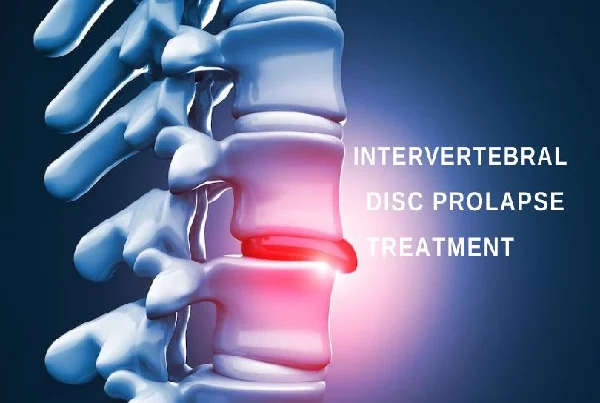
Prolapsed Intervertebral Disc (PIVD) is a common spinal condition in which the soft, gel-like center of an intervertebral disc protrudes through a tear in its outer fibrous ring. This protrusion can press against nearby spinal nerves, causing pain, numbness, tingling, or weakness, depending on the location and severity of the prolapse. PIVD most frequently occurs in the lumbar (lower back) and cervical (neck) regions of the spine, as these areas endure the most movement and weight-bearing stress. Factors such as age-related degeneration, poor posture, heavy lifting, repetitive strain, obesity, and trauma can increase the risk of developing PIVD.
Dr. Meenu, a highly respected orthopedic and spine care specialist, highlights that early detection and management of PIVD are essential to avoid long-term complications and improve quality of life. She explains that symptoms vary depending on the level of nerve involvement but commonly include sharp or radiating pain in the lower back, neck, or limbs, muscle weakness, stiffness, and difficulty with certain movements. In severe cases, bladder or bowel control issues may occur, requiring urgent medical attention. Diagnosis typically involves a thorough clinical evaluation, detailed patient history, and imaging studies such as MRI or CT scans to assess the extent of disc prolapse and nerve compression.
According to Dr. Meenu, most cases of PIVD can be effectively managed with conservative treatment, including rest, pain-relieving medications, muscle relaxants, physiotherapy, and exercises to strengthen the back and core muscles. She often advises lifestyle modifications, ergonomic corrections, and postural training to reduce strain on the spine. In cases where conservative management fails or when neurological symptoms worsen, Dr. Meenu recommends advanced interventions like epidural injections or minimally invasive spine surgery. With timely treatment and a structured rehabilitation program, most patients can regain mobility and return to their normal activities without lasting issues.
Aera Physiotherapy & Rehabilitation Centre.All Rights Reserved © 2026


