**********therapy@gmail.com
Phone : +91********57
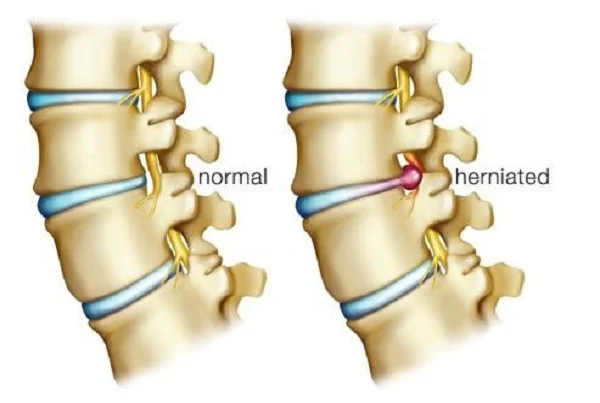
Disc prolapse, commonly known as a slipped or herniated disc, is a condition where the soft, gel-like center of an intervertebral disc pushes through a tear in its tough outer layer. This displacement can compress nearby nerves, leading to pain, numbness, and weakness, most commonly in the lower back and neck regions. Disc prolapse often occurs due to age-related degeneration, sudden heavy lifting, poor posture, or injury. It is particularly prevalent in people who perform physically demanding jobs or those with sedentary lifestyles that involve prolonged sitting. Symptoms of a prolapsed disc vary depending on its location and severity but typically include sharp or radiating pain, tingling sensations, muscle weakness, and difficulty in performing daily movements.
Dr. Meenu, a leading orthopedic and spine care specialist, emphasizes the importance of early detection and appropriate management to prevent long-term disability associated with disc prolapse. She explains that diagnosis usually involves a thorough clinical assessment combined with imaging tests like MRI or CT scans to accurately identify the affected disc and assess nerve involvement. According to Dr. Meenu, most cases of disc prolapse can be effectively managed with conservative treatment. This includes rest, pain-relieving medications, physiotherapy, posture correction, and exercises aimed at strengthening the back and core muscles. In cases where symptoms persist or worsen, Dr. Meenu advises minimally invasive procedures or surgical interventions such as microdiscectomy or endoscopic spine surgery, which are highly effective in relieving nerve compression while preserving spinal stability.
Dr. Meenu stresses the importance of lifestyle modifications and patient education in preventing recurrence. She recommends regular physical activity, maintaining a healthy body weight, proper lifting techniques, and ergonomic workplace setups. With timely treatment and a structured rehabilitation plan, most patients can return to their routine activities with minimal risk of future complications.
Aera Physiotherapy & Rehabilitation Centre.All Rights Reserved © 2026


