**********therapy@gmail.com
Phone : +91********57
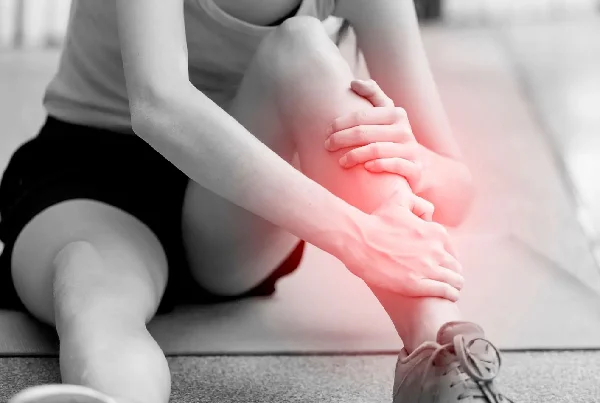
Shin splints, medically known as medial tibial stress syndrome, are a common overuse injury that causes pain along the front or inner edge of the shinbone (tibia). It frequently affects athletes, runners, dancers, and individuals who suddenly increase the intensity or duration of their physical activity. The condition occurs due to repeated stress on the shinbone and the tissues attaching the muscles to the bone, leading to inflammation and discomfort. Symptoms typically include a dull, aching pain along the inner part of the lower leg, which may worsen during or after exercise. The affected area might sometimes feel tender to touch and mildly swollen.
Dr. Meenu, a well-known orthopedic and sports injury specialist, explains that shin splints are often the result of improper training techniques, wearing unsupportive footwear, running on hard or uneven surfaces, or having biomechanical abnormalities like flat feet or tight calf muscles. She emphasizes the importance of early diagnosis and intervention to prevent the condition from progressing into more serious problems such as stress fractures. According to Dr. Meenu, clinical examination and patient history are usually sufficient to diagnose shin splints, though imaging tests like X-rays or MRI may be advised to rule out other conditions.
Treatment primarily focuses on rest, ice application, anti-inflammatory medications, and physical therapy to relieve pain and address contributing factors. Dr. Meenu often recommends modifying physical activities, using proper footwear, and incorporating stretching and strengthening exercises into daily routines. In persistent cases, custom orthotic devices or adjustments to training surfaces may be necessary. Dr. Meenu stresses that prevention plays a key role in managing shin splints, encouraging patients to gradually increase workout intensity and maintain good muscle flexibility. With timely care and the right rehabilitation, most individuals can safely return to their activities without long-term complications.

Aera Physiotherapy & Rehabilitation Centre.All Rights Reserved © 2026


