**********therapy@gmail.com
Phone : +91********57
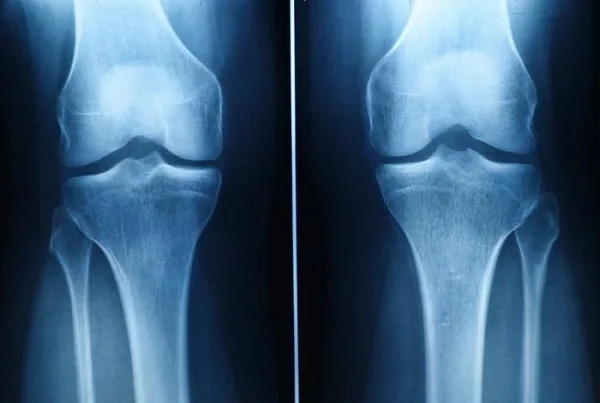
Cartilage tears are a common joint injury that can affect various parts of the body, particularly the knees, shoulders, hips, and ankles. Cartilage is a tough, flexible tissue that covers the ends of bones in joints, providing cushioning, smooth movement, and shock absorption. Unlike other tissues, cartilage has limited blood supply, making it slower to heal when injured. A cartilage tear typically occurs due to trauma, overuse, or gradual wear and tear associated with aging. Athletes involved in contact sports or activities requiring sudden twists and turns are especially at risk. Symptoms of a cartilage tear include joint pain, swelling, stiffness, a grinding sensation, and limited range of motion. In severe cases, the joint may lock or give way during movement.
Dr. Meenu, a respected orthopedic specialist, highlights the importance of early recognizing and treating cartilage tears to prevent further joint damage and chronic problems like arthritis. She explains that diagnosis often begins with a detailed medical history, physical examination, and imaging studies such as X-rays or MRI scans to assess the extent of the damage. Treatment options vary depending on the severity and location of the tear. Mild injuries may respond well to conservative measures like rest, ice application, anti-inflammatory medications, and physical therapy to strengthen surrounding muscles and improve joint function. However, larger or more complex cartilage tears might require surgical intervention. Dr. Meenu frequently performs arthroscopic procedures, a minimally invasive technique where specialized instruments are used to remove or repair the damaged cartilage. In certain cases, procedures like microfracture, cartilage grafting, or cell-based therapies may be recommended to restore joint surface integrity. Dr. Meenu emphasizes that personalized rehabilitation programs and patient education play a vital role in achieving optimal recovery and long-term joint health following a cartilage injury.

Aera Physiotherapy & Rehabilitation Centre.All Rights Reserved © 2026


