**********therapy@gmail.com
Phone : +91********57
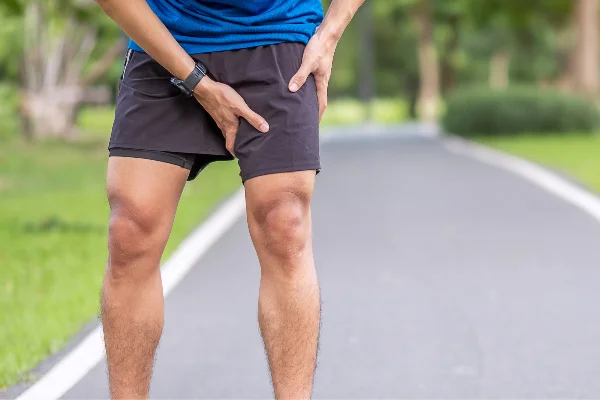
A groin strain is a common soft tissue injury that occurs when one of the muscles in the inner thigh or front of the hip becomes overstretched or torn. These muscles, known as the adductors, are responsible for pulling the legs together and stabilizing the hip joint during movement. Groin strains frequently affect athletes who engage in sports involving sudden changes in direction, rapid leg movements, or high-impact activities such as football, hockey, sprinting, and martial arts. However, this injury can also happen during everyday activities like slipping, heavy lifting, or overstretching. The symptoms of a groin strain typically include sharp or aching pain in the inner thigh, swelling, bruising, muscle weakness, and difficulty walking or moving the affected leg.
According to Dr. Meenu, an experienced specialist in sports injuries and musculoskeletal care, timely diagnosis and appropriate treatment of a groin strain are essential to promote healing and prevent recurring problems. She explains that groin strains are graded based on their severity: Grade 1 involves mild discomfort and minimal muscle damage, Grade 2 is a partial tear causing moderate pain and limited movement, while Grade 3 is a complete muscle tear leading to severe pain and significant functional loss. Dr. Meenu emphasizes the importance of a clinical examination and, if necessary, imaging tests like ultrasound or MRI to assess the extent of the injury.
When managing a groin strain, Dr. Meenu recommends starting with conservative treatments, including rest, ice application, compression, and elevation (RICE protocol) in the initial phase to reduce pain and swelling. As symptoms improve, guided physiotherapy focusing on gentle stretching, strengthening exercises, and progressive return to activity is crucial for a safe recovery. In more severe cases involving complete muscle tears, surgical repair might be considered.
Dr. Meenu also advises preventive measures such as regular warm-ups, flexibility training, and strengthening of the hip and thigh muscles to lower the risk of future strains. Under her expert guidance, many patients have successfully recovered from groin strains, regaining full strength, flexibility, and the confidence to return to their sports and daily routines without discomfort.
Aera Physiotherapy & Rehabilitation Centre.All Rights Reserved © 2026


